Peripheral Angioplasty and Stenting
Peripheral Angioplasty and Stenting is a minimally invasive procedure used to treat narrowed or blocked arteries in the peripheral vascular system, which includes arteries outside the heart and brain, most commonly in the legs and arms. This advanced treatment helps restore proper blood flow, relieving symptoms such as pain, numbness, and fatigue caused by peripheral artery disease (PAD).
What is Peripheral Artery Disease (PAD)?
PAD is a common circulatory problem where narrowed arteries reduce blood flow to the limbs, often due to the buildup of fatty deposits called plaque. This condition can lead to discomfort while walking (claudication), wounds that won’t heal, and in severe cases, critical limb ischemia, which threatens limb viability. Early diagnosis and treatment are crucial to prevent complications such as ulcers, infections, or even amputation.
How Does Peripheral Angioplasty Work?
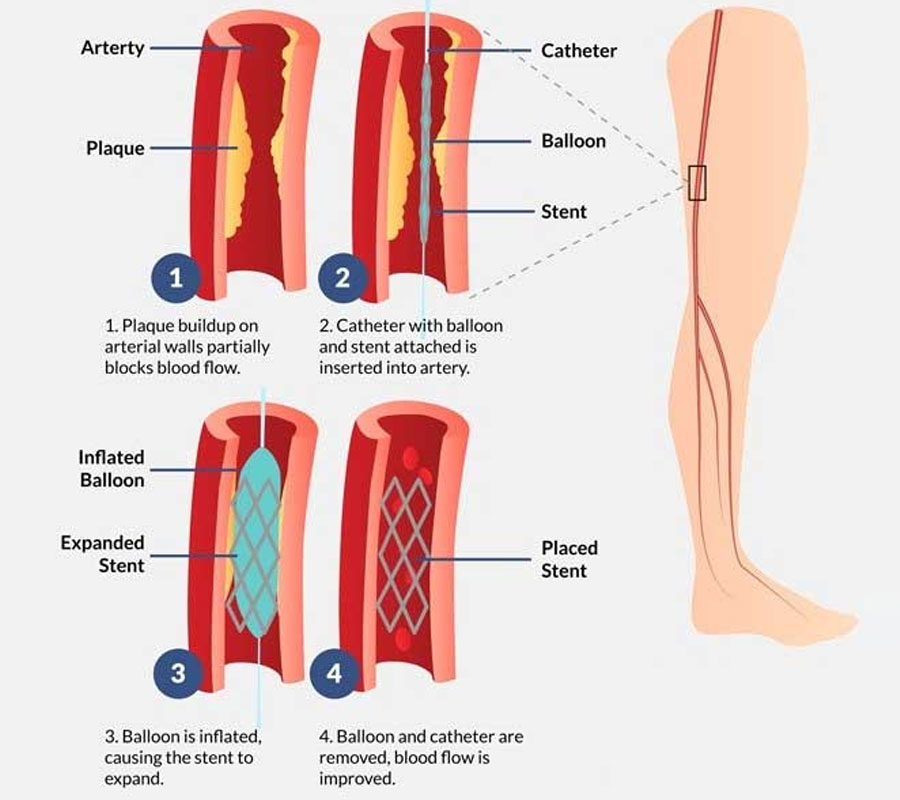
Peripheral angioplasty involves inserting a thin catheter with a deflated balloon into the narrowed artery. Guided by imaging techniques like fluoroscopy, the balloon is carefully inflated at the site of blockage, compressing the plaque against the artery walls and widening the vessel to improve blood flow.
Following angioplasty, a small mesh tube called a stent may be placed in the artery. The stent acts as a scaffold, keeping the artery open and reducing the risk of re-narrowing. This combination of balloon angioplasty and stenting has revolutionized the treatment of PAD, offering patients a less invasive alternative to traditional surgery with faster recovery times.
Benefits of Peripheral Angioplasty and Stenting
- Minimally invasive with small incisions
- Reduced hospital stay and quicker recovery
- Relief from symptoms like leg pain and numbness
- Improved mobility and quality of life
- Decreased risk of severe complications such as ulcers or amputations
Who Should Consider This Procedure?
Patients experiencing symptoms of PAD such as leg pain while walking, coldness in the lower leg or foot, and slow-healing wounds should consult a vascular specialist. Diagnostic tests like Doppler ultrasound or angiography help determine the extent of artery narrowing and the suitability for angioplasty and stenting.
Why Choose Us?
Our center offers state-of-the-art facilities and expert vascular specialists skilled in performing peripheral angioplasty and stenting with precision and care. We focus on personalized treatment plans, patient education, and post-procedure follow-up to ensure the best outcomes.