
Temporary and Permanent Pacemaker
The heart is a vital organ that pumps blood throughout the body by maintaining a regular rhythm. However, some individuals may experience irregular heartbeats or arrhythmias that can disrupt this rhythm, leading to serious health issues such as fatigue, dizziness, fainting, or even heart failure. To manage such conditions, pacemakers play a crucial role in regulating the heart's electrical activity and ensuring a steady heartbeat.
What is a Pacemaker?
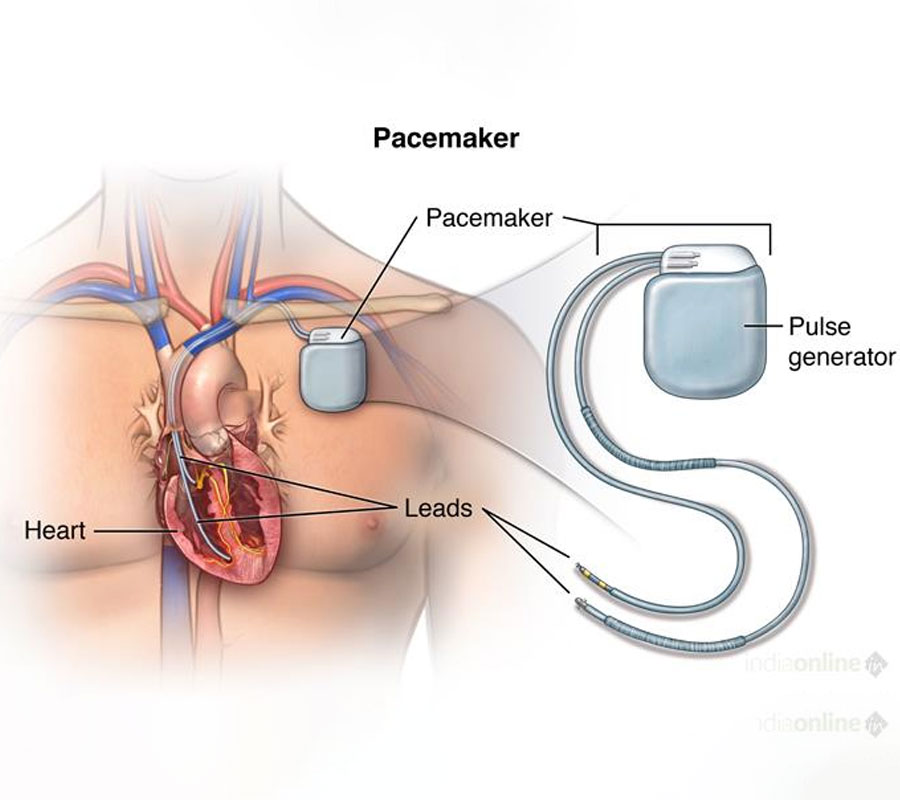
A pacemaker is a small medical device implanted under the skin that helps control abnormal heart rhythms. It sends electrical impulses to the heart muscles to maintain a normal and effective heartbeat. Depending on the patient's condition, pacemakers can be classified as temporary or permanent.
Temporary Pacemaker
A Temporary Pacemaker is used for short-term cardiac rhythm management. It is often employed in emergency situations, during surgeries, or when a patient’s heart rhythm is expected to recover after a temporary disturbance. This device is connected to the heart via wires and is typically placed externally outside the body. Temporary pacemakers provide essential support while doctors monitor the patient’s recovery or prepare for permanent pacemaker implantation if required.
Uses of Temporary Pacemakers:
- After heart surgery
- Severe bradycardia (slow heartbeat) requiring immediate correction
- Heart attack complications affecting the electrical conduction system
- During diagnostic procedures to assess heart function
Permanent Pacemaker
A Permanent Pacemaker is surgically implanted under the skin near the collarbone and connected to the heart with leads (thin wires). It continuously monitors the heart’s rhythm and sends electrical signals whenever it detects a slow or irregular heartbeat. Permanent pacemakers are designed to last for several years and significantly improve the quality of life by preventing symptoms related to abnormal heart rhythms.
Indications for Permanent Pacemaker Implantation:
- Persistent bradycardia unresponsive to medication
- Heart block (a delay or interruption in the electrical signals between heart chambers)
- Certain cases of heart failure with conduction system disease
- Syncope (fainting) caused by arrhythmias
Why Choose Our Pacemaker Services?
Our center offers advanced pacemaker implantation and follow-up care using state-of-the-art technology. Our experienced cardiologists specialize in both temporary and permanent pacemaker procedures, ensuring safe, effective, and compassionate care for every patient. We provide thorough pre-procedure evaluation, detailed counseling, and post-implantation monitoring to ensure optimal heart function and patient comfort.